What is a HAZMAT whiskey?
There are a few words that will always perk up a whiskey lover’s ears: single barrel, cask strength, sherry bomb, and, not least of all, HAZMAT.
The term, as it relates to whiskey, is relatively new. Most people attribute it to a 2016 release of Elijah Craig Barrel Proof which was bottled at 140.2 proof. That batch became highly coveted among enthusiasts and notoriously difficult to find as a result. And the term HAZMAT? Well, blame (or credit?) the Federal Aviation Administration.
The FAA bans all alcohol over 70% abv. (140 proof) from airplanes, checked baggage or not. It’s considered a Hazardous Material (HAZMAT) due to its high flammability. EC releases a whiskey over 140 proof and BAM, the term has stuck.
How is a HAZMAT whiskey made?
HAZMAT whiskey doesn’t start out over 140 proof. In fact, the highest proof allowed going into barrels for Bourbon and Rye in America is 125 proof. So how does 125 (or lower) proof whiskey become HAZMAT Whiskey? The answer lies with the Angels.
The Angel’s Share refers to the whiskey that evaporates into the air during the aging process. Barrels are liquid-tight, but they’re not air-tight, meaning during the aging process, whiskey actually evaporates out of the wood. When it’s very hot, that happens faster. To make it more complicated, just because whiskey is evaporating out of the barrel doesn’t mean the proof is going up.
Whether the proof rises, falls, or remains the same is very dependent on climate. When it’s humid and there’s already a lot of moisture in the air, water has a hard time evaporating into the air around the barrel, but the alcohol in the barrel can still evaporate freely. So in very humid climates, you might see more alcohol than water leave the barrel, lowering the proof inside the barrel over time.
When the air is very dry, however, the atmosphere is thirsty for water, and the water can evaporate faster than the alcohol. When this happens, the proof in the barrel rises over time as the water leaves and the alcohol is left behind. Hot weather amplifies the speed at which this process takes place. In the right climate, a whiskey might rise to an extraordinary, i.e. HAZMAT, level of alcohol.
Why drink a HAZMAT?
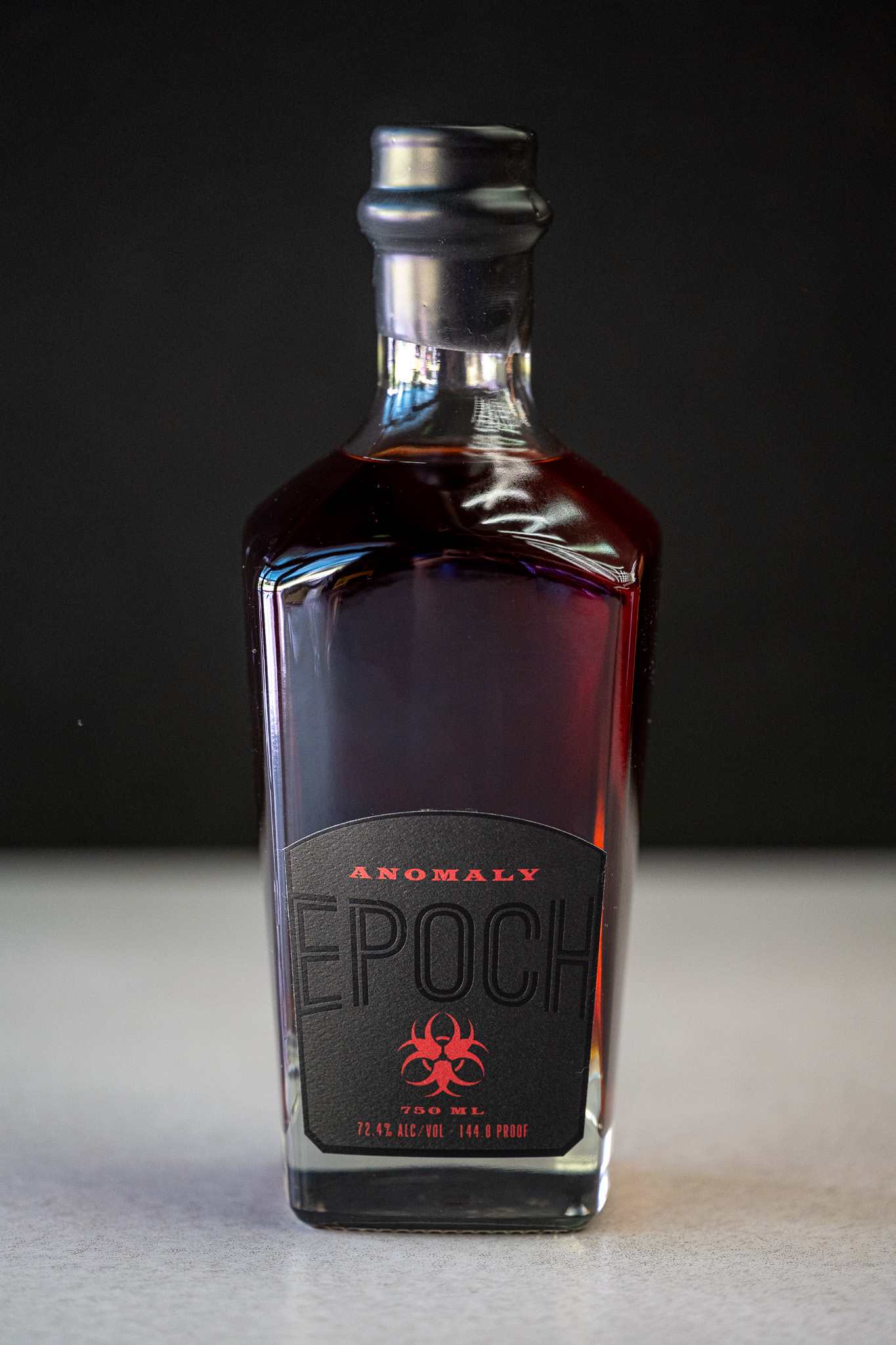
While it may or may not be important to you, HAZMAT whiskeys are rare. The climate conditions that bring a barrel over 140 proof are often only found in a small sections of rickhouses, and even in those parts, not all barrels will reach the upper echelons of ABV. For reference, of the hundreds of barrels we’d tested at the time, our 2026 Anomaly release was the first HAZMAT we stumbled upon. But true desirability shouldn’t come from rarity alone.
Truthfully, the best thing about a HAZMAT whiskey, or any cask strength really, is optionality. Your tongue behaves differently with different strength alcohols. Flavors that might be apparent at 140 proof may disappear at lower proofs, and vice versa. HAZMAT whiskey gives you all the options. Do you want the explosive, full force of 140 proof? Drink it neat! Do you want to add a drop, a spoon, or a splash of water and see how the whiskey opens up at lower proofs? You do you. You can essentially do what a master blender does when selecting as proof for their own expressions. No right or wrongs, but the full scope of personal choice.
If nothing else, it’s worth keeping an eye out. So much of the fun in whiskey is experiencing things that encapsulate a particular time and place. And for HAZMAT, the time and place has to be that much more particular. Cheers.